


Educational games fail in a predictable way: the lesson is bolted onto the game, players sense they're being taught, and they leave. After five years building for MINDEF, the SPF, SCDF, museums and Google.org-backed programmes, here are the five principles we hold onto.
1. Design first, lesson inside
The game must survive on its own merits. Mata-verse works because being a police officer is genuinely fun; the crime-prevention learning rides inside. Invert the order and you get a quiz with graphics.
2. Go where attention already lives
We build on Roblox not because it's fashionable but because the audience is already there, in the tens of millions daily. Distribution is half of education: a lesson nobody encounters teaches nothing.
3. Authenticity is engagement
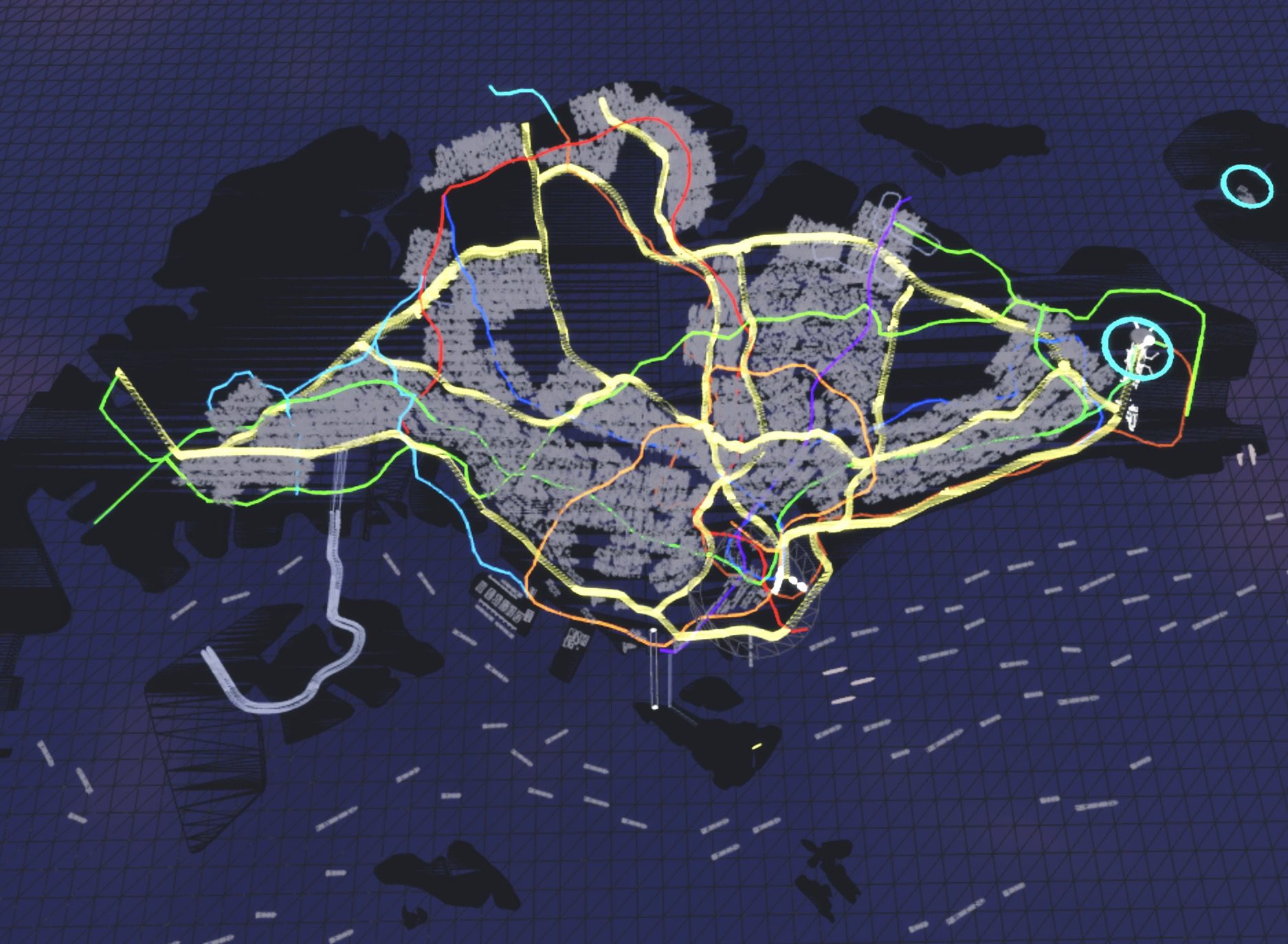
Real uniforms, real vehicles, real expressway signage. Faithfulness signals respect for the subject and the player — and communities reward it. Our most passionate players are the ones correcting us when a bus livery is one shade off.

4. Progression is pedagogy
Ranks, badges and unlocks aren't decoration — they're a curriculum in disguise. Rising from trainee to commissioner in Mata-verse sequences the learning the way a syllabus would, without ever showing the syllabus.
5. Close the loop with the real world
The strongest moments connect play to reality: the myResponder app inside Singverse's phone, museum quests that unlock onsite rewards, an NDP flypast you can fly and then watch over Marina Bay. When the virtual habit meets its real-world counterpart, that's when learning sticks.